The pandemic and the post pandemic years have been very difficult for most including myself. In my opinion the work from home and social isolation it created for many of us has changed us in ways we sometimes fail to appreciate. The deaths of close friends, colleagues and classmates forced many among us to take a closer look at our lives and beliefs. The upheavals and riots on the early Covid-19 days associated with the protests of the Black Lives Matter (BLM) movement and the January 6 insurrection all within the span of 2 years did not happen by chance.
As a nation we were primed for these over several centuries. The pandemic lit the fire and some of us just fanned the flames. The 2020/21 years had significant events that could have been enough for a lifetime. None of us predicted that within the turmoil of the pandemic we would have to deal with Trump’s efforts to win re-election by any means necessary. We however rarely ever get what we hoped for so we got hit with these upheavals one after the other.
The BLM Movement: Are Black Lives Worth Less Than White Lives?
Many of us have asked this question and some of us still do. This is a question that will always raise some debate anywhere in the world. America, is unique however in having events and many factual accounts that appear to support this centuries old racial inequity. The 13 amendment repealed the three fifths compromise from the 1787 constitutional convention which set the value of a black life at three fifth as a compromise for purposes of representation. Though not practically relevant today, the impact of some of these compromises associated with slavery remain with us today. Overall the trauma of the slave years continue to haunt us, and drive the racial inequities that we see today.
Most racial discrimination in America today is a by product of slavery. In the early post emancipation era white farmers developed several codes meant to maintain a black underclass to serve the needs of a Southern Agrarian economy. By the time of the American Civil War the economy of the Southern US states had become completely dependent on slavery. Lincoln recognized this over reliance of the South on free slave labor and used this to his advantage in his civil war strategy.
The the emancipation proclamation, of January 1, 1863 was a tactical move to bankrupt the rebellious Southern States. Both this proclamation and the 13th Amendment that followed it never mentioned equality. That omission of equality was not a chance occurrence. There is enough evidence that Lincoln and many of his colleagues including General Ulysses Grant did not believe in black equality. So more than a century and a half after this proclamation we are still debating this issue.
The use of the word debate to describe this situation is not fair. Calling this a debate may present the impression of an idle academic exercise. This is not just a debate, the lives of George Floyd, Sandra Bland, Fernando Castile and Ahmaud Arbery, killed for no other reason than the color of their skins is a reminder of that fact.
Library of Congress Photo of a 1882 Lynching

Today, lynchings are a thing of the past, but racially motivated violence is still with us. The killing of Ahmaud Arbery was a modern day lynching. The excessive use of force and shootings faced by black Americans at the hands of law enforcement is a reminder of the Jim Crow era lynchings. Police officers or law enforcement adjacent individuals are often responsible for these acts. This is very important because it dispels the myth that these are the result of a fringe element in our society. Many individuals consider such acts as manifestations of systemic racially motivated violence.
Fighting For our Democratic Rights vs. Rebellion & Insurrection
To some the line between civil rights activists and an insurrectionist can be a matter for debate. This challenge becomes more difficult to discern as one attempts this differentiation in political systems with inadequate mechanisms to address infringements on such rights. In the US for more than a century many black Americans were effectively unable to exercise their civil rights. Many of us remember civil rights leaders like Martin Luther King Jr. and Malcom X. We however forget the many leaders who attempted to exercise this right with usually disastrous consequences.
In 1920 in Ocoee FL a massacre drove out almost all the black residents from this Florida town after Norman Mose attempted to vote in the 1920 Presidential Elections. The facts of the case are not always clear but shots were fired and Norman escaped, and fled the state finally ending up in Harlem. A white mob surrounded the home of July Perry good friend of Norman looking for him and lynched him when they failed to find Norman.
More than 50 years later, the daughter of one prominent white resident of Ocoee confessed that 90% of the police force, judges and lawyers in Ocoee were members of the Ku Klux Khan (KKK). The death toll on that day was 8 including July Perry. This act which was later described as Ocoee Election Day Massacre was never reported in any national news until ealy 2000s. Many black residents who left Ocoee never returned.
There were many denials as to the nature of the riot but an advertisement in the December 12, 1920, edition of the Orlando Sentinel tells part of the story: “Special Bargains. Several Beautiful Little Groves Belonging to the Negroes That Have Just Left Ocoee. Must Be Sold—See B.M. Sims.” Sims was one of Ocoee’s wealthiest white landowners. On November 2nd, 1920 in Ocoee, FL black residents who attempted to use the mechanisms available to fight for their democratic rights had to flee their homes. These freedom fighters lost all they had some their lives in their efforts to exercise their civil right.
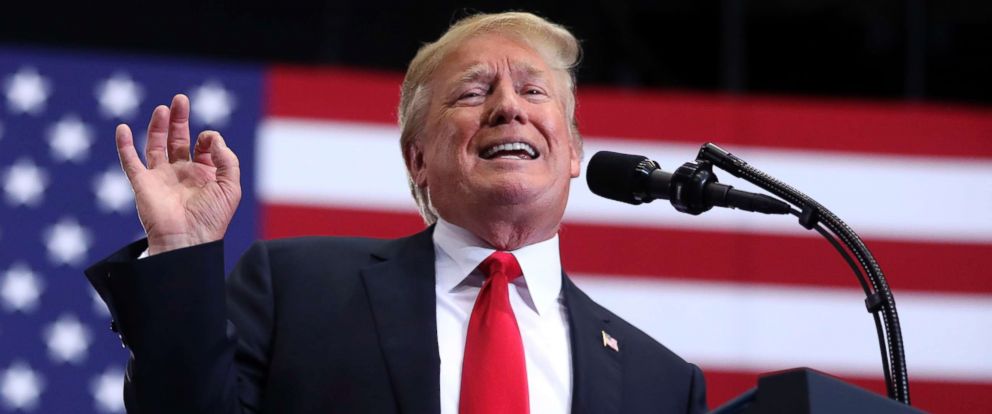
A century later on January 6th 2021, a mob of mostly white supporters of outgoing President Donald RJ Trump stormed the US capitol in Washington DC. The Capitol rioters were seeking to interrupt the certification of the 2020 election results and usurp the presidency of Joseph R Biden the president elect. Today the narrative on this event can vary widely across the political spectrum. The facts of the case are however clear. The mob that climbed barricades and broke down doors and windows and attacked capitol police officers to gain entrance to the US capitol with the intent to disrupt constitutional proceeding were not tourists.
The January 6th Rioters Scaling the Capitol Walls

In the aftermath of this event 5 police officers on duty at the time of the event have since lost their lives 4 by suicide. This attempt failed to achieve its objective, this is not the first attempt to usurp the results of an election in this country.
At this point we need to decide if the January 6th rioters were legally exercising their democratic rights or were they domestic terrorists and insurrectionist. To evaluate this situation we can run their activities through a standard lens:
- Where these actors using the legal democratic process to address their grievances?
- Did the objectives of their protest align with the basic tenets of our democracy?
- Did the group exhaust all legal avenues before resorting to violence?
These questions are for you to ponder on and decide on the status of the January 6th rioters. By January 6, 2024, the US Justice Department had charged 1265 individuals and convicted 467 with prison terms. The Justice Dept Enrique Tarrios the leader of the Proud Boys to 22 years in prison last September for seditious conspiracy and other felonies. Stewart Rhodes, the founder of the anti-government group the Oath Keepers was also sentenced to 18 years for his role in this riot.
Thus our courts which failed to protect or provide any form of redress for the black residents of Ocoee a century ago is prosecuting these insurrectionists. Yes, sometimes the law does work, because it would be sad if it failed us most times. Our 45th President efforts to win re-election by any means necessary, led to many lives lost and significant government property damage. Some of us are still waiting for the results of the case against Donald RJ Trump to make our determination the status of our Justice system.
By Dr. Leonard Sowah, an internal medicine physician in Baltimore, Maryland